Windshield Crack Size Guide: Repair vs Replacement Explained by Local Experts
Windshield damage is one of those problems drivers often underestimate until it suddenly becomes urgent. A tiny crack can spread overnight, compromise visibility, and even affect the structural integrity of a vehicle. Understanding when a windshield can be repaired versus when full replacement is necessary saves time, money, and unnecessary risk. This windshield crack size guide is designed to explain those decisions clearly, based on real-world practices used by local auto glass experts who see these issues every day.
Modern windshields are not just sheets of glass. They are safety components engineered to support airbags, maintain cabin strength, and protect passengers during collisions. Even minor cracks can weaken that system. Knowing how size, location, depth, and crack type influence repair decisions helps vehicle owners make confident, informed choices instead of relying on guesswork or outdated advice.
Why Windshield Damage Decisions Matter More Than You Think
Many drivers assume windshield cracks are mainly cosmetic. In reality, the windshield plays a critical role in overall vehicle safety. During a front-end collision or rollover, it helps maintain roof integrity and ensures airbags deploy correctly. A compromised windshield can fail under stress, putting occupants at greater risk during an accident.
Beyond safety, unresolved windshield damage can also create legal and inspection issues. In many regions, cracks that obstruct the driver’s view or exceed certain sizes can cause inspection failure or traffic citations. Insurance coverage may also depend on timely repair. Local experts emphasize that early evaluation is essential, because cracks almost always worsen due to temperature changes, road vibration, and moisture intrusion.
How Windshield Crack Size Influences Repair Decisions
Crack size is one of the most important factors in determining whether repair is possible. Industry guidelines often reference specific measurements, but local professionals combine those standards with practical experience. A short crack that looks harmless can be unrepairable if it spreads toward the edges or penetrates multiple layers of laminated glass.
Generally, cracks shorter than a few inches are candidates for repair if other conditions are favorable. Longer cracks often require replacement, especially if they compromise structural strength. However, size alone is not the only factor. Shape, location, depth, and age of the crack all play equally important roles in the final decision made by experienced technicians.
Common Crack Size Benchmarks Used by Professionals
Local experts often use size benchmarks as an initial assessment tool. Hairline cracks under one inch, especially those caused by small stone impacts, are often repairable. Cracks between one and three inches fall into a gray area where location and pattern become decisive. Anything longer than three inches usually signals replacement, though exceptions may exist in rare circumstances.
It is important to understand that these measurements are not absolute rules. A two-inch crack near the windshield edge can be more dangerous than a four-inch crack in a low-stress area. That is why professional evaluation matters. Technicians assess not only length but also how the crack interacts with the windshield’s stress points.
Types of Windshield Cracks and Why They Matter
Not all cracks behave the same way, even if they are similar in size. The type of crack affects how it spreads and whether resin injection can stabilize it effectively. Understanding these differences helps explain why two cracks of equal length may have completely different repair outcomes.
Some crack types are inherently unstable and tend to spread rapidly, especially with temperature changes. Others remain localized and respond well to professional repair techniques. Local experts rely heavily on crack pattern recognition when deciding between repair and replacement.
Stress Cracks
Stress cracks usually appear without a direct impact and often start near the windshield edge. They are caused by temperature changes, structural pressure, or manufacturing flaws. Even if they are relatively short, stress cracks are often not repairable because they indicate ongoing tension within the glass that repair resin cannot resolve.
Edge Cracks
Edge cracks begin within two inches of the windshield border. These are particularly concerning because the edges bear significant structural load. Even small edge cracks can quickly spread across the entire windshield. Local experts typically recommend replacement for edge cracks, regardless of size, due to safety risks.
Bullseye and Star Breaks
Bullseye and star breaks result from direct impacts, such as stones kicked up from the road. If they are small and not deeply penetrating, these cracks are often good candidates for repair. Their circular or star-shaped patterns allow resin to fill and stabilize the damaged area effectively when addressed early.
Location: The Often Overlooked Deciding Factor
Crack location is just as important as size when determining repair eligibility. A small crack directly in the driver’s line of sight may technically be repairable but still unsuitable due to visibility concerns. Repairs can leave minor distortions that are unacceptable in critical viewing areas.
Cracks near the edges or corners of the windshield are under greater stress during normal driving. Even a short crack in these areas is likely to spread. Local experts prioritize safety over cost savings, often recommending replacement when cracks compromise structural zones, regardless of their length.
Repairable vs Non-Repairable Crack Zones
Professionals often divide the windshield into functional zones when evaluating damage. The central viewing area demands the highest optical clarity. Peripheral areas allow slightly more flexibility but carry higher structural stress. Edge zones are the most sensitive and least forgiving when it comes to cracks.
Understanding these zones helps drivers see why two cracks of the same size can receive different recommendations. Repair decisions are not arbitrary; they are based on how the windshield behaves under load, vibration, and impact during everyday driving conditions.
When Windshield Repair Is the Right Choice
Windshield repair is ideal when the crack is small, stable, and located away from high-stress or visibility-critical areas. Repairs restore structural integrity, prevent crack spread, and are significantly more cost-effective than full replacement. The process is quick and often completed in under an hour by trained professionals.
Local experts emphasize that timing is crucial. Fresh cracks without contamination respond best to repair. Dirt, moisture, and debris reduce resin bonding effectiveness. Prompt action increases the chances of a successful repair and extends the lifespan of the original windshield.
Many vehicle owners turn to professional Windshield repair and replacement services when they want an expert assessment rather than guessing whether repair is still possible. A professional inspection often reveals options drivers did not realize were available.
Situations Where Replacement Is the Safer Option
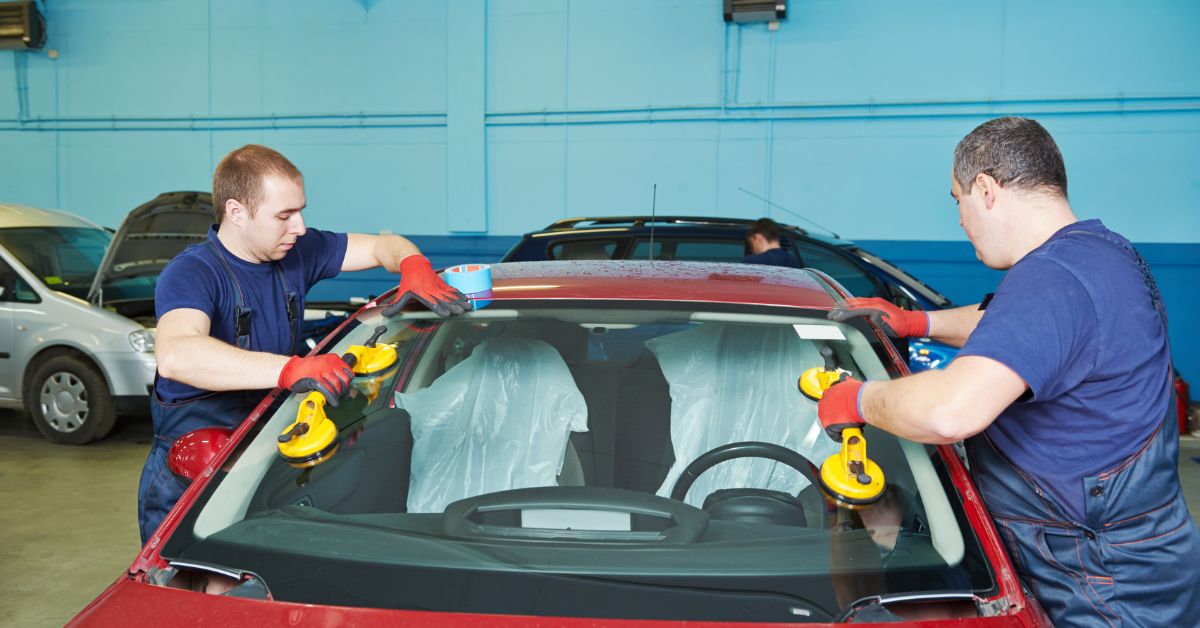
Windshield replacement becomes necessary when cracks exceed repairable size limits, reach the edges, or interfere with driver visibility. Replacement is also required if the crack penetrates the inner glass layer or if multiple cracks compromise overall strength. In these cases, repair would be a temporary fix at best and unsafe at worst.
Local experts stress that replacement is not about upselling but about restoring factory-level safety. Modern windshields are precision-installed components that must meet strict standards. A compromised windshield can fail under airbag deployment or rollover stress, making replacement the responsible choice in many scenarios.
Cost Considerations: Repair vs Replacement
Cost is often the deciding factor for drivers, but focusing only on immediate expense can be misleading. Windshield repair is significantly cheaper and often covered fully by insurance without deductibles. Replacement costs more, but delaying necessary replacement can lead to higher expenses later if cracks worsen or cause secondary damage.
Insurance policies vary, but many encourage early repair because it reduces long-term claim costs. Local professionals often work directly with insurers to streamline the process, making replacement less stressful when it is truly needed. Understanding the cost-benefit balance helps drivers make financially sound decisions without compromising safety.
Environmental Impact of Repairing Instead of Replacing
Repairing a windshield instead of replacing it has environmental benefits that are often overlooked. Windshield glass is difficult to recycle due to its laminated construction. Repair extends the life of the existing windshield and reduces waste, energy use, and manufacturing emissions.
Local experts increasingly promote repair-first approaches when safe and appropriate. This not only saves drivers money but also aligns with sustainable practices. While safety always comes first, choosing repair when possible contributes to reduced environmental impact without sacrificing vehicle integrity.
How Local Experts Evaluate Windshield Damage
Professional technicians follow a structured evaluation process that goes beyond quick visual inspection. They assess crack length, depth, pattern, location, contamination level, and stress factors. Advanced tools help determine whether resin can fully penetrate and stabilize the damaged area.
Experience plays a major role in these assessments. Local experts have seen how certain cracks behave over time in real driving conditions. Their recommendations are based not only on industry guidelines but also on practical outcomes observed across thousands of vehicles.
Drivers seeking professional Windshield repair often benefit from this hands-on expertise, especially in borderline cases where repair may still be viable with prompt action.
Myths About Windshield Crack Size and Repairs
One common myth is that any crack can be repaired if it is small enough. In reality, some small cracks are structurally dangerous due to location or stress factors. Another misconception is that repaired cracks will look completely invisible. While repairs significantly improve appearance, minor blemishes may remain.
There is also a belief that cracks stop spreading once repaired. Proper repairs stabilize damage, but extreme conditions or improper installation can still cause issues. That is why choosing experienced local professionals matters. Quality materials, correct technique, and honest assessment make all the difference in long-term results.
Preventing Small Cracks from Becoming Big Problems
Prevention plays a key role in windshield longevity. Maintaining proper following distance reduces stone impact risk. Avoiding extreme temperature changes, such as blasting hot air on an icy windshield, helps prevent stress cracks. Parking in shaded or covered areas also minimizes thermal stress.
When a crack does appear, prompt evaluation is the best preventive measure. Even delaying repair by a few days can allow contamination to set in, reducing repair success. Local experts consistently advise drivers not to wait and see, because windshield damage rarely improves on its own.
Making the Right Decision with Confidence
Deciding between windshield repair and replacement does not have to be confusing. By understanding how crack size, type, and location affect safety, drivers can approach the situation with clarity. Professional evaluation removes uncertainty and ensures the decision is based on facts rather than assumptions.
Local experts provide more than just technical service. They offer guidance rooted in experience, safety standards, and real-world outcomes. Whether repair or replacement is recommended, the goal is always the same: restoring visibility, strength, and confidence behind the wheel with solutions that last.