A home’s entry door is more than a design feature or a practical necessity. It plays a critical role in comfort, security, and overall home performance. For homeowners living in regions with fluctuating temperatures or colder seasons, an insulated exterior door is one of the most essential elements of an energy-efficient home. It is designed to reduce heat transfer, maintain indoor warmth, and protect against drafts, all while enhancing the architectural appearance of the property.
Whether you are renovating an older house or building a new one, understanding what makes an insulated exterior door effective is crucial. The right door can reduce energy bills, improve indoor comfort, and create a more resilient home environment throughout the year. This guide explains the benefits, materials, features, and considerations that help homeowners choose the ideal insulated door for long-term performance.
Why Insulated Exterior Doors Matter
Exterior doors are exposed to direct sunlight, wind, rain, and winter temperatures. Without proper insulation, an entry door can become a significant source of heat loss. Even small inefficiencies cause warm air to escape during winter or cool air to leak out during summer. Over time, this increases energy usage, puts strain on heating and cooling systems, and leads to fluctuating indoor temperatures.
High-quality insulated doors help prevent these issues by blocking thermal exchange between the interior and exterior of the home. The result is better climate control, less noise infiltration, fewer cold drafts, and improved cost savings.
Understanding What Makes a Door Insulated
Not all doors marketed as insulated offer the same level of performance. True insulation relies on multiple construction features working together to create a stable barrier against temperature changes. The following components are typically found in well-engineered insulated exterior doors.
1. Multi-Layer Construction
A high-performance insulated door uses layered materials. These layers may include an interior core of foam insulation, bonded with durable exterior skins made from steel, fiberglass, or engineered composite materials.
2. Insulated Core
Most insulated doors feature polyurethane or polystyrene cores. Polyurethane foam offers higher insulation value per inch and creates a dense, rigid interior that resists heat transfer. Polystyrene is commonly used in mid-range options and still delivers significant energy efficiency.
3. Thermal Breaks
A thermal break is a barrier within the frame or door structure that prevents heat or cold from traveling through the material. This design feature ensures the interior side of the door remains warmer or cooler than the exterior, depending on the season.
4. Weatherstripping
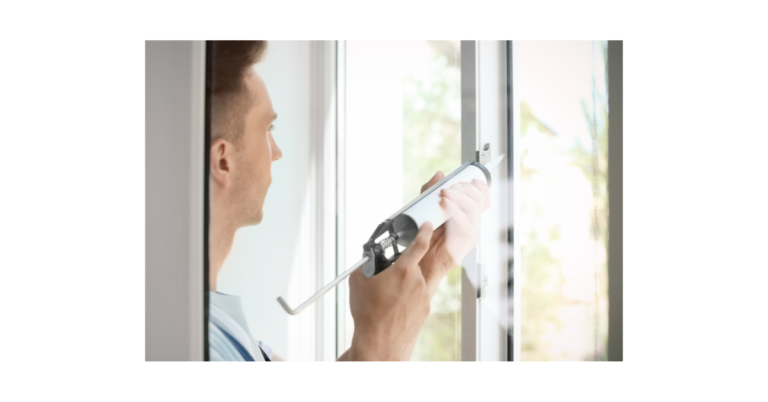
Quality weatherstripping seals gaps between the door and frame. Properly installed, it prevents drafts and air leakage, further increasing the door’s efficiency.
5. Insulated Glass Units
If the door includes glass panels, double or triple-pane insulating glass units help reduce heat loss. These may include argon gas between panes and low-emissivity coatings.
Popular Materials Used in Insulated Exterior Doors
Selecting a door material influences durability, appearance, and insulation capability. Here are the most common materials used in insulated door construction.
1. Fiberglass
Fiberglass is one of the top choices for insulated doors because it balances performance, durability, and aesthetics. It does not warp or swell, offers high energy efficiency, and can mimic wood grain for a natural look.
2. Steel
Steel doors are known for strength, security, and affordability. They often include foam insulation cores and perform exceptionally well in blocking heat transfer. They are resistant to shrinking or expanding but can dent if heavily impacted.
3. Wood
While wood offers unmatched beauty, it is less energy-efficient unless combined with insulated cores or engineered wood technology. Wood doors also require regular maintenance to protect against moisture and temperature changes.
4. Composite and Engineered Materials
Composite doors combine materials to create a strong, stable, and efficient product. They often include wood frames, fiberglass skins, and insulated cores, delivering excellent performance with minimal upkeep.
Advantages of Installing Insulated Exterior Doors
Homeowners often choose insulated doors because of the clear benefits they offer. These advantages become especially noticeable in areas with cold winters, hot summers, or unpredictable seasonal shifts.
1. Improved Energy Efficiency
Insulated doors reduce heat transfer and help maintain stable indoor temperatures. Your heating and cooling systems do not need to work as hard, resulting in lower energy usage and reduced utility bills.
2. Enhanced Indoor Comfort
Drafts, cold spots, and temperature fluctuations can make certain rooms uncomfortable. An insulated door creates a consistent, controlled interior atmosphere.
3. Noise Reduction
A dense insulated core also helps block noise from traffic, neighbors, or outdoor activities. This is particularly valuable for homes near busy streets or urban environments.
4. Increased Home Value
Modern insulated entry doors are attractive upgrades that enhance curb appeal and boost the perceived value of the home. Buyers often look for homes with energy-efficient features.
5. Improved Security
Most insulated exterior doors are constructed using reinforced materials, making them more durable and secure than older or hollow-core models.
6. Durability and Longevity
Materials like fiberglass and steel withstand harsh weather conditions without warping, cracking, or peeling. This makes insulated doors a long-term investment.
Design Options for Insulated Doors
Insulated doors are available in a wide range of styles to suit different architectural preferences. Selecting a design that complements your home’s exterior can create a grand entrance while maintaining efficiency.
1. Solid Panel Doors
These offer classic styling, exceptional privacy, and strong insulation.
2. Doors With Glass Panels
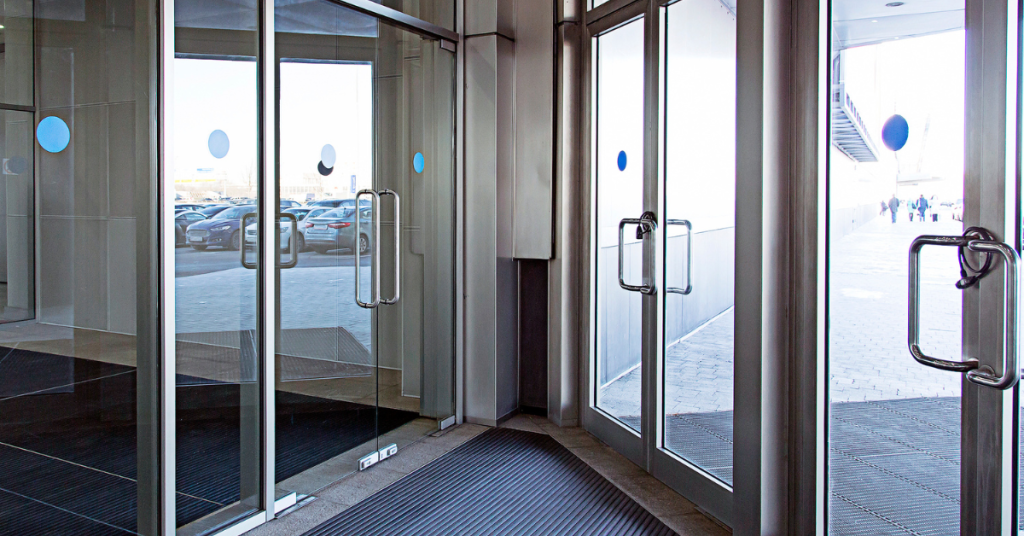
Energy-efficient glass inserts allow natural light into the home without compromising performance. Options include frosted, textured, or decorative glass.
3. Modern Minimalist Designs
Flat panels, clean lines, and smooth finishes suit contemporary homes.
4. Traditional and Craftsman Styles
These often include raised panels, divided glass, and detailed trim.
Choosing the Right Insulated Door for Cold Climates
If you live in a region with cold winters, choosing an insulated door becomes even more important. Look for the following features to ensure maximum protection:
- High R-value insulation
- Double or triple-pane insulated glass
- Strong weatherstripping and airtight seals
- Thermal break technology
- Durable outer materials that resist moisture and freezing temperatures
Homes in colder climates benefit significantly from superior insulation, as heat retention is essential for comfort and cost savings.
Installation and Maintenance Considerations
Even the best insulated door will underperform if not installed correctly. Professional installation ensures proper alignment, sealing, and secure framing. Common issues such as gaps, uneven sealing, and misaligned hinges can reduce efficiency and allow drafts to enter.
Maintenance needs vary based on the door material. Fiberglass and steel require minimal upkeep, usually limited to cleaning and periodic inspections. Wood doors require sealing, painting, or staining to prevent moisture damage.
Where to Explore High-Quality Insulated Exterior Door Options
Homeowners searching for high-quality, durable, and energy-efficient door systems can explore premium collections designed specifically for cold climates. For a detailed selection of top-performing insulated doors engineered for harsh weather, you can review expertly curated options through insulated exterior doors designed to meet modern home performance needs.
Final Thoughts
Insulated exterior doors are essential for maintaining an energy-efficient, comfortable, and secure home. They help regulate indoor temperature, lower energy costs, increase home value, and provide long-lasting durability. With various materials, styles, and features available, homeowners can easily find a design that perfectly suits their aesthetic and performance needs.
Understanding what separates a high-quality insulated door from a basic exterior door helps ensure that you make a long-term investment in your home. Whether you prioritize security, insulation, or aesthetics, the right insulated door provides a noticeable improvement in both comfort and efficiency throughout the year.